
Condo Moving in Brighton
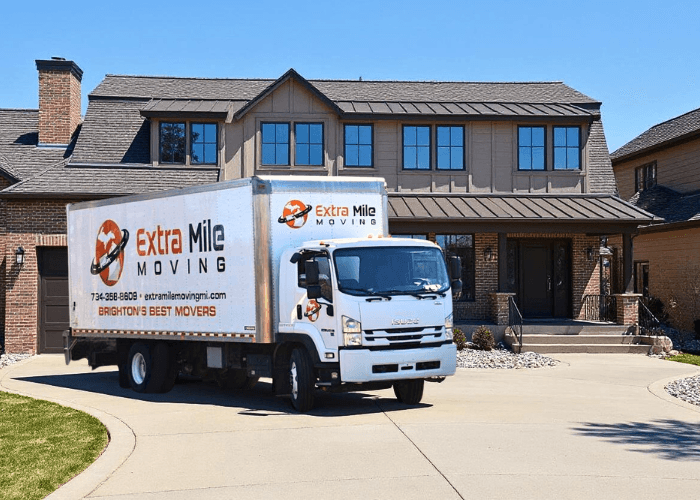
Condo moving in Brighton starts with your association, not your boxes. Ask for its move-in rules early, and we will coordinate reservations, common-area protection, and truck placement around them.
Get a Free QuoteAttached homes came later out here
Condo moving in Brighton covers a wider mix of buildings than you might expect. Townhomes and attached condos made up 20 percent of the city's housing in 2015. Brighton Township's pathways plan notes attached condominium units arriving there after the 2000 census, and Genoa Township's plan counts multiple-family condominiums among its higher-density housing.
Layouts vary, so we ask instead of assuming. One association may have a shared lobby and elevator. Another may have private entries, shared drives, and a garage at the back. Each one needs a different truck plan.
What to ask your association
Rules differ from one community to the next, and only your association can tell you what applies. Ask about allowed move hours, how much notice it wants, whether a deposit is required, where a truck may stop, and who pays if a shared area gets damaged.
Once you have those answers, we work directly with your association or property manager. We secure any reservations the building needs and build a timeline that respects its rules and your schedule.
Water bills and shared hallways
Your bills may look different in a new condo. In Genoa Township, municipal water and sewer customers are billed quarterly on a cycle that depends on the district. Oak Pointe and North Shore bill in February, May, August, and November, while Pine Creek and Lake Edgewood bill in March, June, September, and December. Ask your association whether water comes to you directly or through dues.
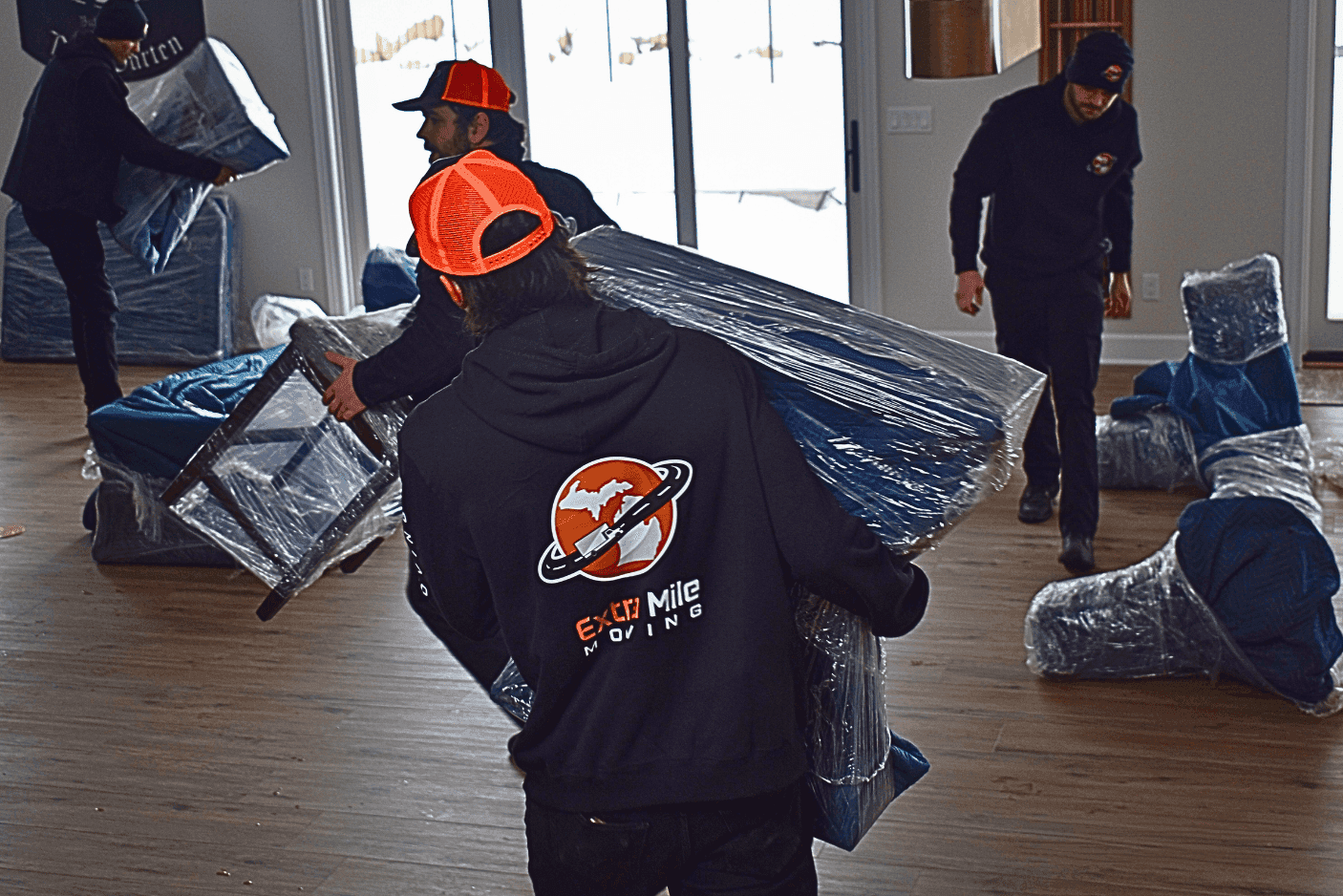
On move day, the shared spaces come first. Hallways, elevators, lobbies, and stairwells get padded and protected before we carry out a single item.
Brighton Moving FAQs
That depends on your association, so ask before you lock in the date. Once you know its process, we can work directly with the association or manager to meet it.
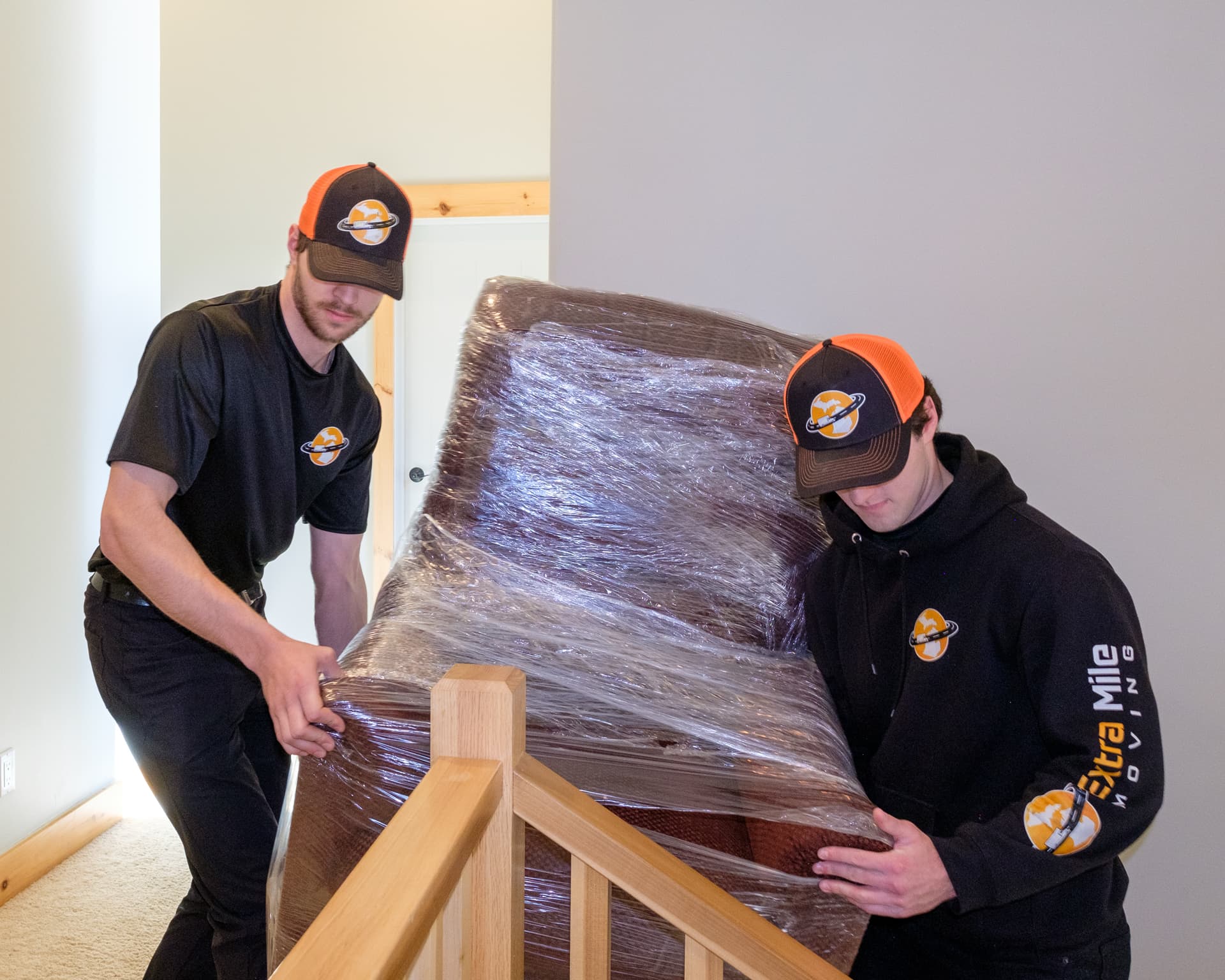
Many associations hold the owner responsible, so check your documents. We pad and protect hallways, elevators, lobbies, and stairwells first to help you avoid the issue.
Yes, if there is an association involved. Without an elevator, the questions shift to stairs, shared drives, and where the truck can wait, and those still need a plan.