
Antique Furniture Moving in Brighton
Antique Furniture Moving in Brighton calls for slow hands and attention to the air. Old finishes and joints react to Michigan's seasons, so each piece gets its own wrapping and a plan that respects its age.
Get a Free QuoteOld pieces in an old part of town
Some antique furniture moving in Brighton starts in the oldest part of town, where the buildings have their own age to consider. The Western House on West Main went up in 1873 as a hotel near the rail depot, and it joined the National Register of Historic Places in 1986. The Old Town Hall, by the Mill Pond, was finished in 1879.
Not all of old Main Street survived. A Howell Carnegie Library photo caption says many buildings past the Odd Fellows Hall burned in the 1940s, so one block can hold very different ages. We would measure stairways, doorways, and landings at your address instead of guessing from the street.
What humidity does to veneer and glue
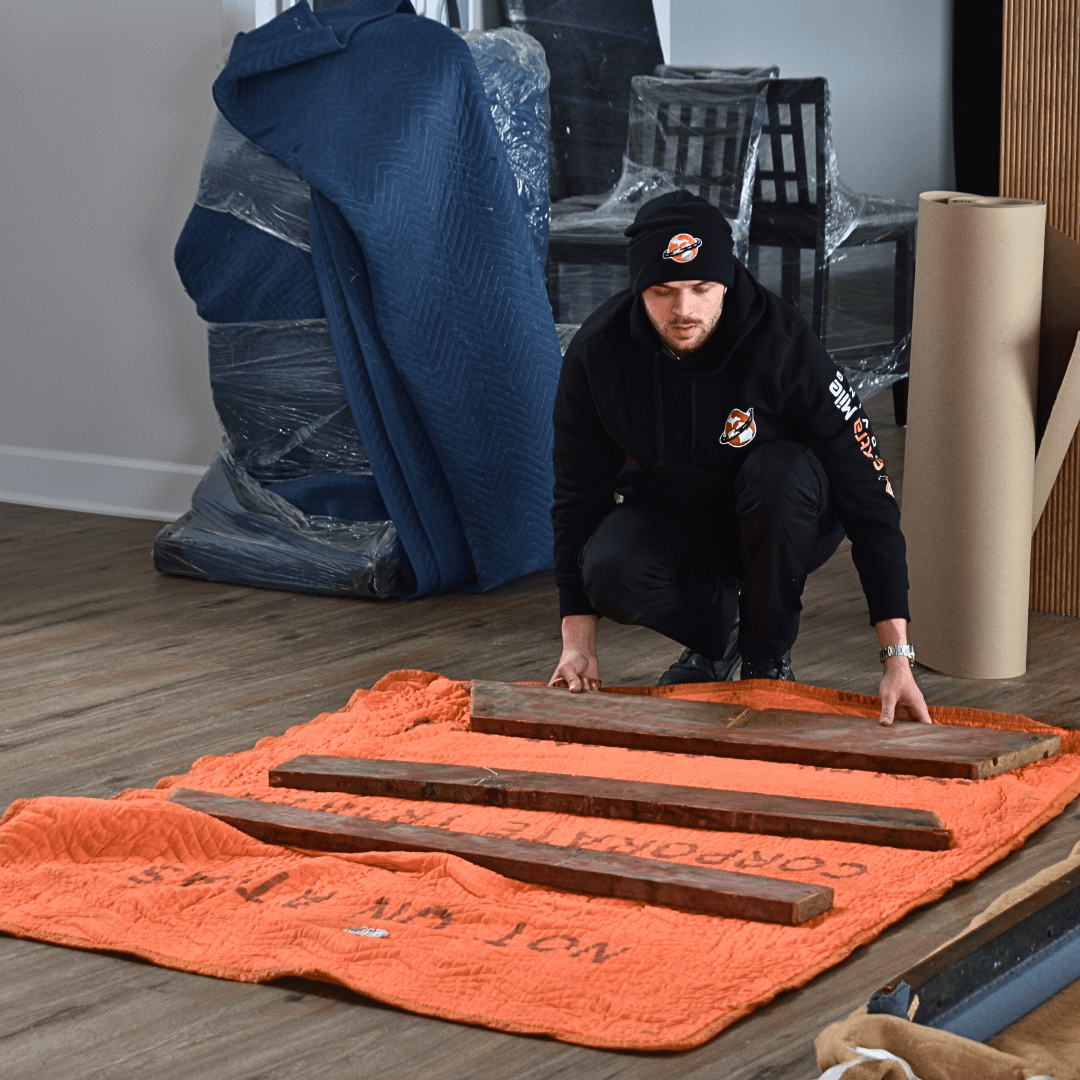
The Canadian Conservation Institute says wood swells when humidity rises and shrinks when air dries, which can split wood and harm a finish. Its main advice is a stable environment. The National Park Service adds that thin veneers change size quickly as humidity shifts. The regional climate group GLISA calls this area humid continental, with wide seasonal swings, so this is a real local concern.
Think about the new spot before move day. The institute warns against fireplaces, baseboard heaters, and heat vents. A sideboard over a floor register will have a harder winter than one on an inside wall.
How we wrap, lift, and set each piece
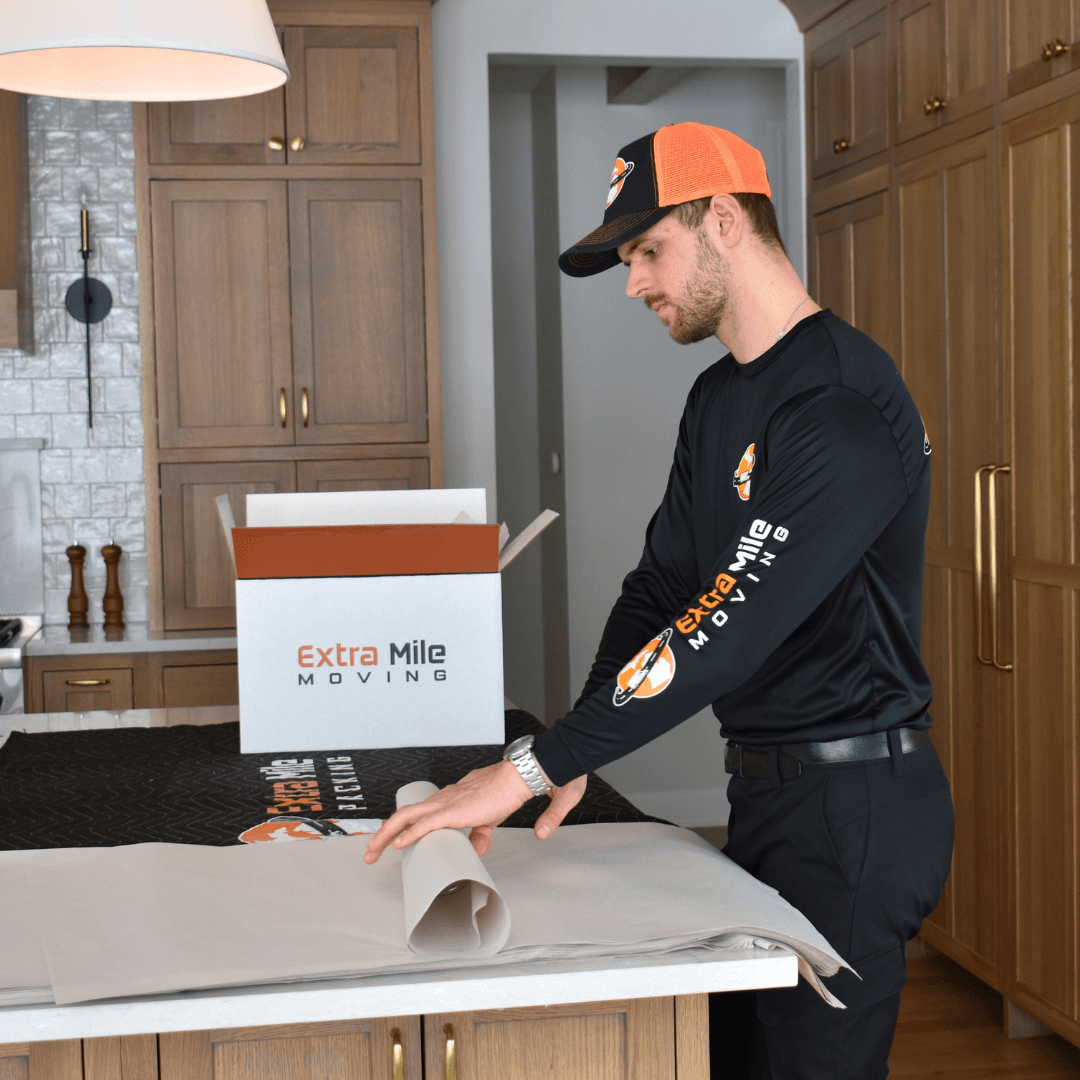
We use acid-free paper, soft cotton blankets, and custom padding, and we assess each contact point individually. Carvings, glass panels, and decorative hardware get their own shielding before the piece moves.
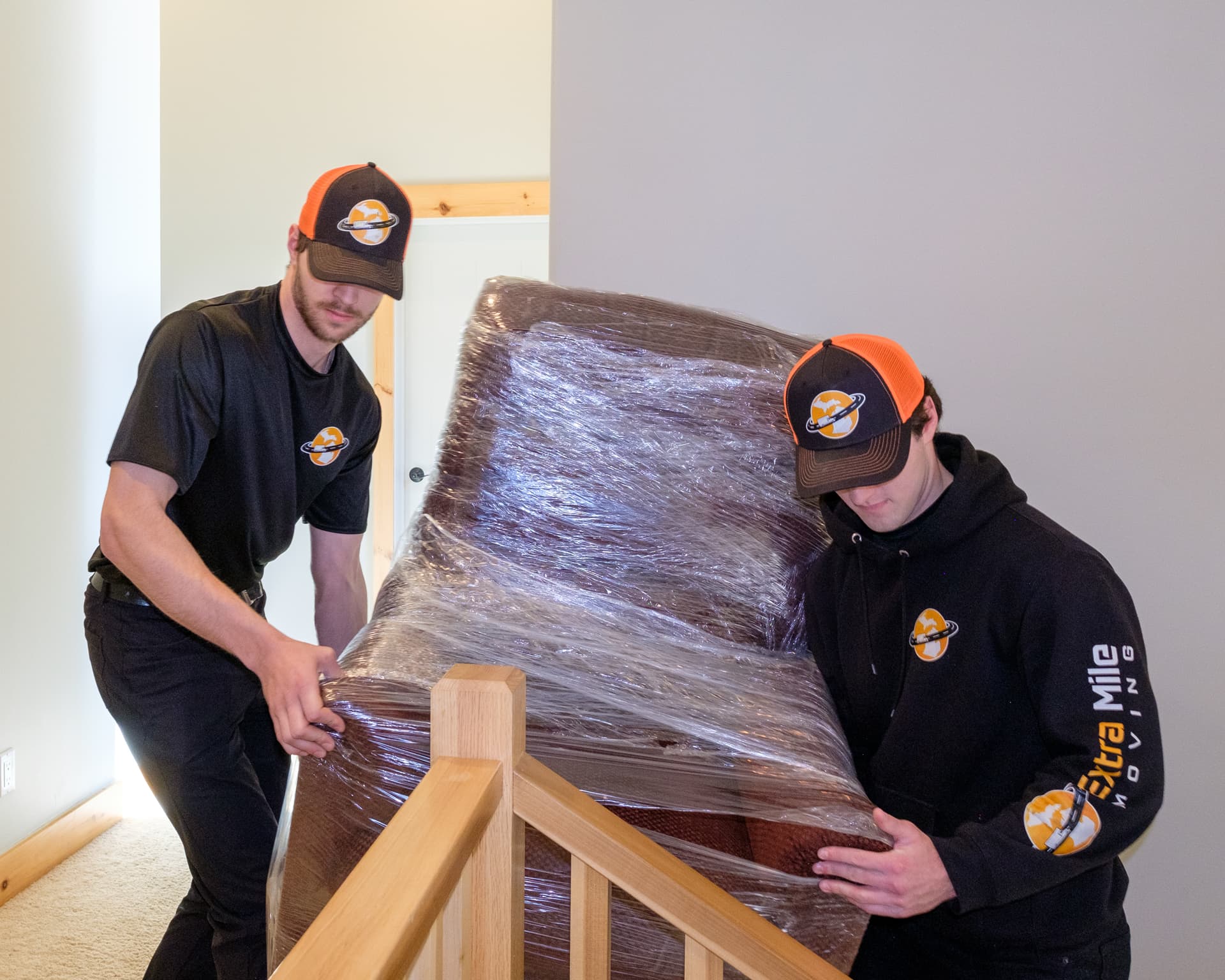
Conservators advise lifting from the strongest point and never dragging. Our approach is careful lifting, slow positioning, and precise placement, with extra care for the flooring under heavy pieces.

Brighton Moving FAQs
We would measure first, including the landings and any turns. Ask your landlord or building about access at the same time. If the numbers don't work, it is better to find out before move day.
The Canadian Conservation Institute says oils and other products can't stop wood from drying out when humidity is low. Steady conditions help more. For repairs or finish work, talk to a furniture conservator.
Point it out at the estimate, along with any lifted veneer or wobbly hardware. Conservators recommend checking for damage and loose joints before moving a piece, and knowing about them shapes how we pad and carry it.