
Pool Table Moving in Ann Arbor
Pool table moving in Ann Arbor usually means a basement, a stairway, and slate that has to come apart first. We take the table down, wrap each slate section, haul it flat, and rebuild it level at your new home.
Get a Free QuoteFind the sump before you pick the spot
Planning pool table moving in Ann Arbor starts with the floor the table will stand on. A good number of basements here hold a sump. The city's footing drain disconnection program, approved in 2001, required an interior basement sump with an electric pump, and 1,834 disconnections were done by July 2013.
City flood guidance tells residents to test sump systems at least twice a year, keep basement drains and cleanouts accessible, and store valuable items elevated or off the floor. Measure with that in mind. A table parked over a cleanout, or pushed tight against a sump, gets in the way of the work those parts need. Mark the spot with tape, and leave room for cues on every side.
Slate, rails, and the trip across town
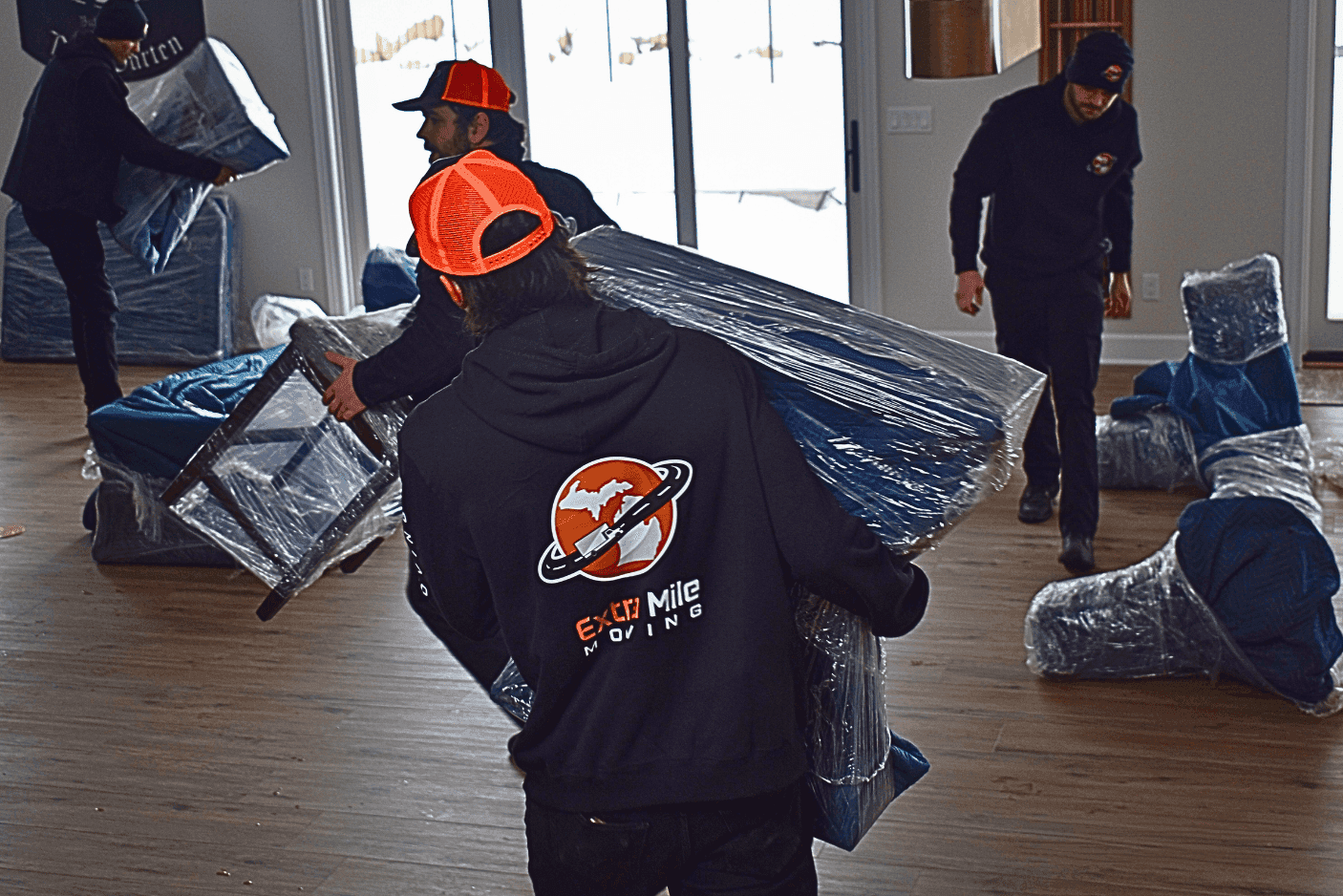
We move 7-foot, 8-foot, and 9-foot tables, in slate and non-slate builds. On a slate table, the sections come off the frame, get wrapped one at a time, and ride flat with padding and support so they don't crack.
The felt gets protected along the way. If yours is worn and you'd rather start fresh in the new room, we can coordinate new felt at the destination. Once there, we rebuild it in order, frame then slate then rails, and level it so the game plays the way it should.
Buried creeks and basement stairs
Allen Creek now runs almost entirely underground in concrete pipes, beneath much of downtown and parts of the Old West Side. It's one of five tributaries with mapped floodplains in the city, along with Malletts, Millers, Swift Run, and Traver. If your new home sits near one of them, check the city's floodplain information before you commit a felt table to the lowest level. Confirm the details with city staff.
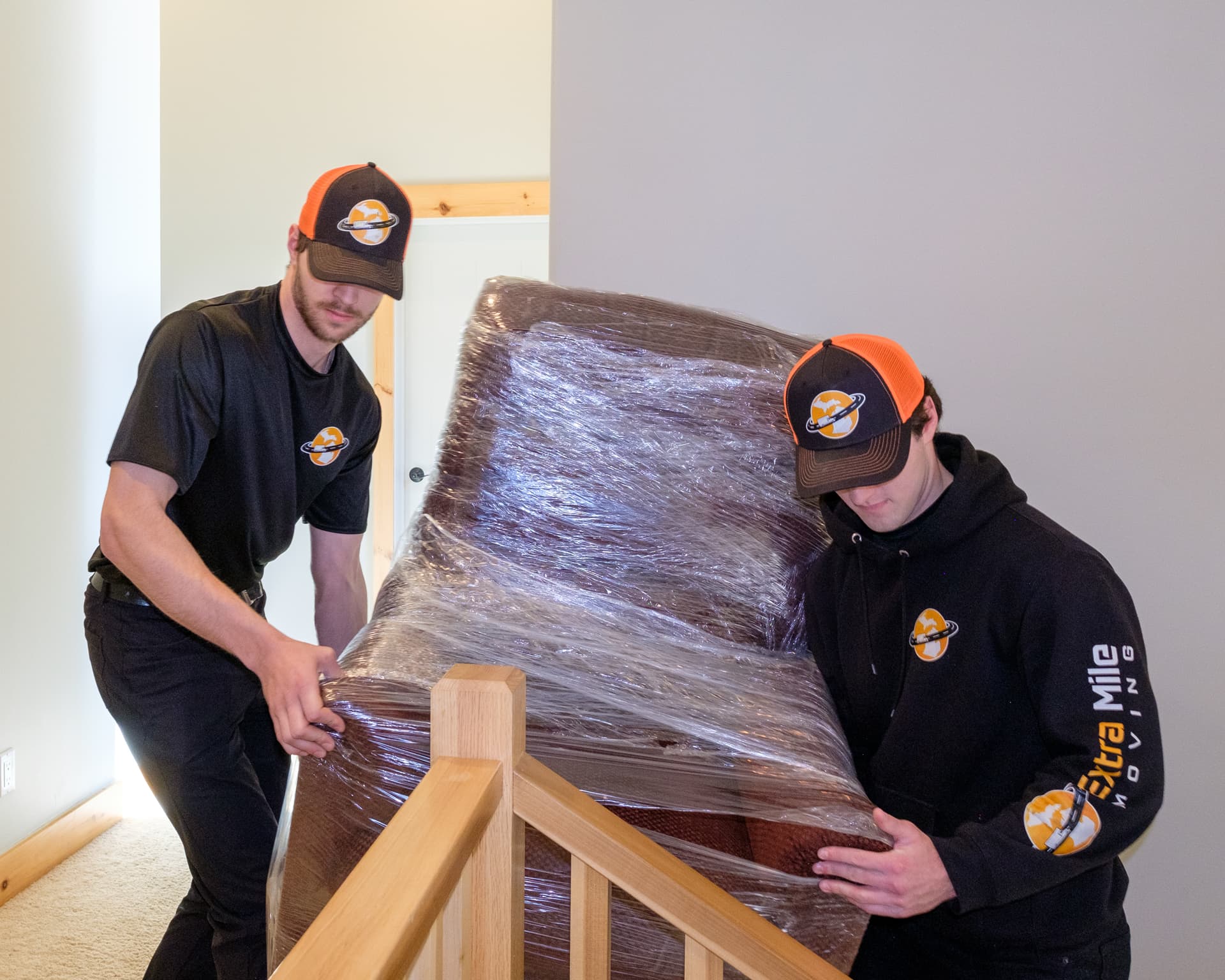
Stairs vary as much as the water does. Water Hill alone mixes Craftsman bungalows, Victorian-era houses, and ranches from the World War II years. We'd look at the stair and the turn at the bottom at both homes, and put floor, wall, and doorway protection in place for the job.
Ann Arbor Moving FAQs
Somewhere that leaves the sump, floor drains, and cleanouts easy to reach. The city tells residents to keep those accessible and to test sump systems twice a year. Show us your first choice at the estimate and we'll talk through the path to it.
We can't tell you whether a given basement stays dry. Check the city's floodplain map, ask the seller or landlord about past water, and talk to city stormwater staff. We'll set the table where you decide.
We can coordinate that. Tell us at the estimate so it can be timed with reassembly. If your current felt is in good shape, we take care to preserve it during the move.